

Leng
2008 | bamboo installation and archives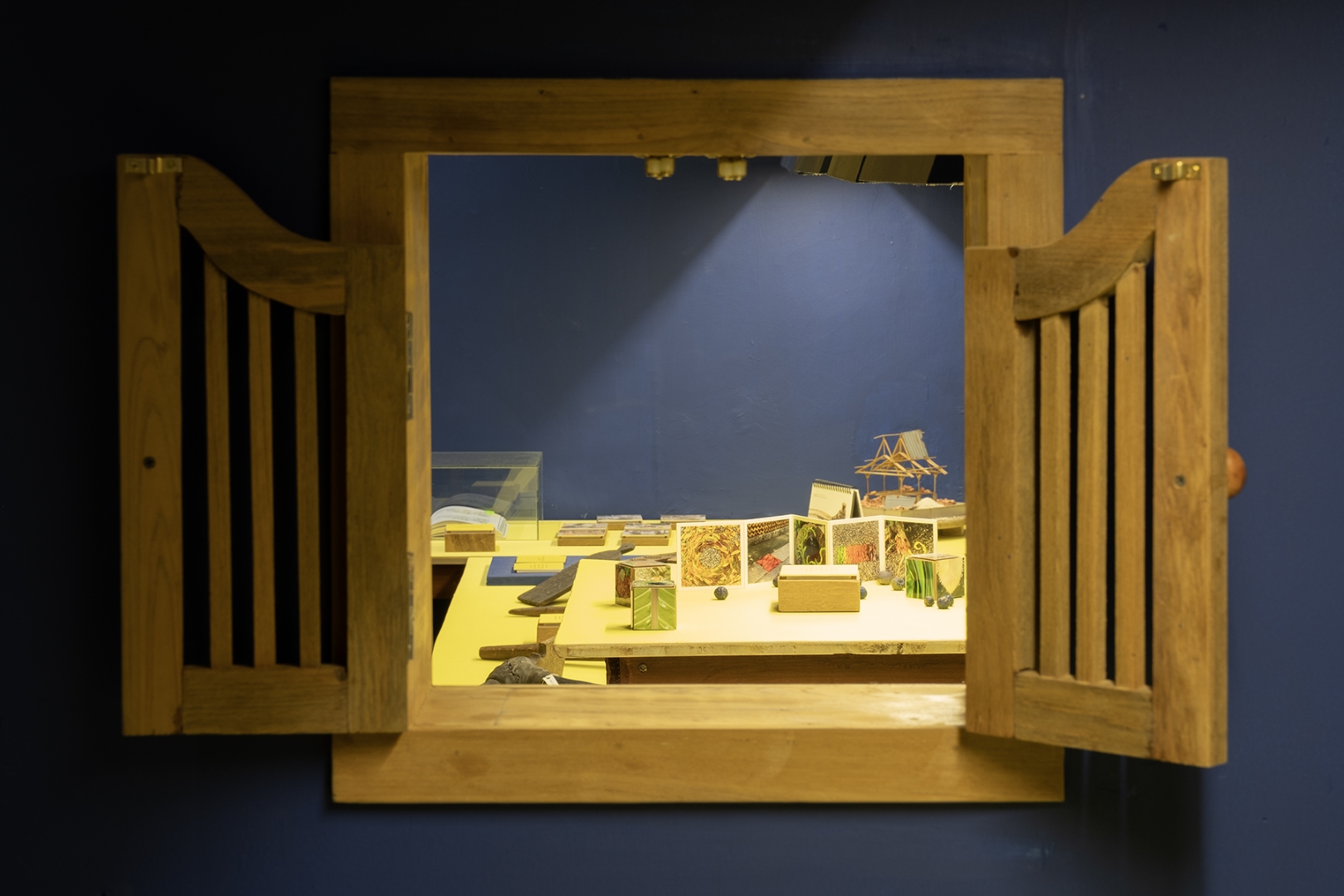
Leng
2008 | bamboo installation and archives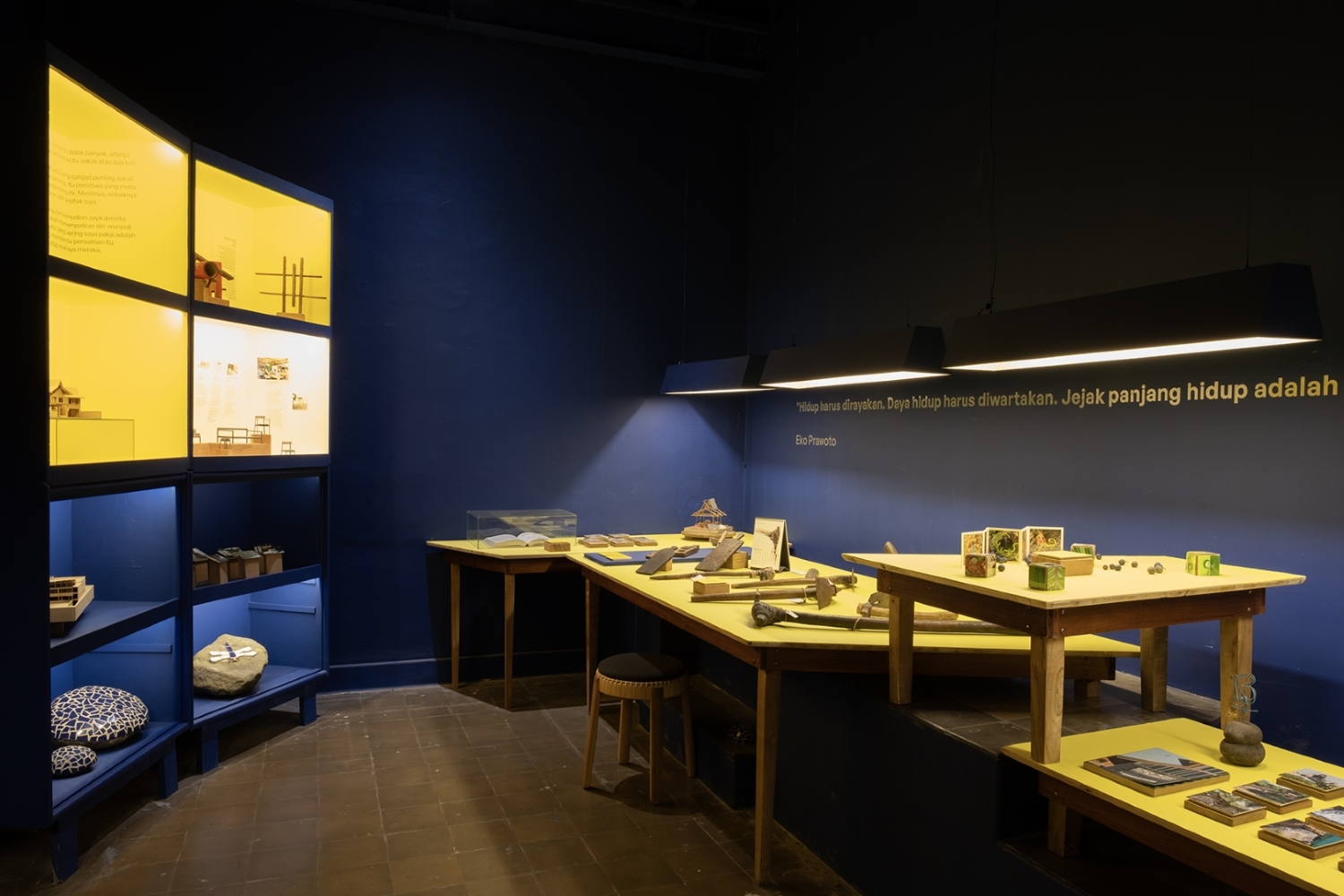
Leng
2008 | bamboo installation and archives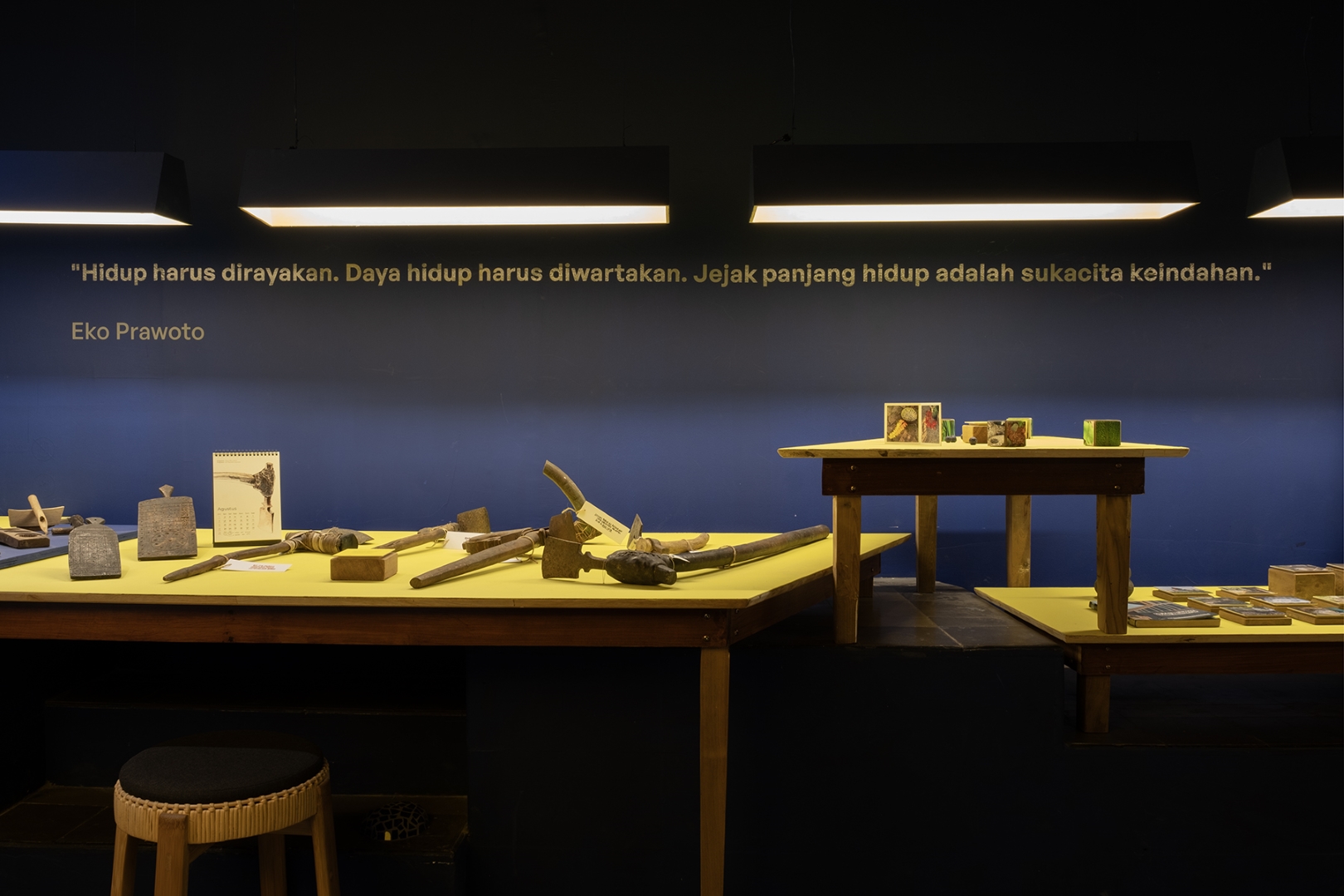
Leng
2008 | bamboo installation and archives
Leng
2008 | bamboo installation and archives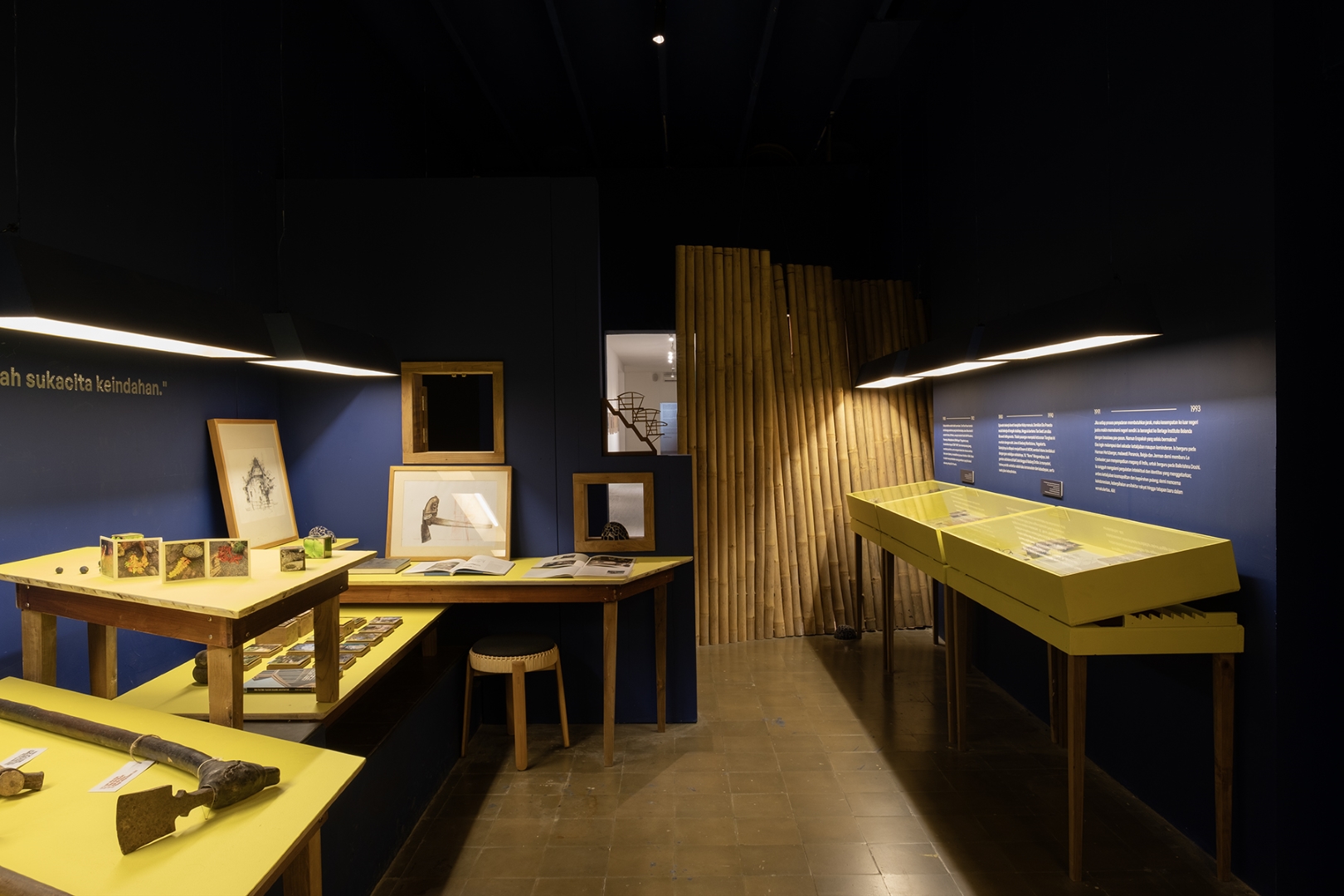
Leng
2008 | bamboo installation and archives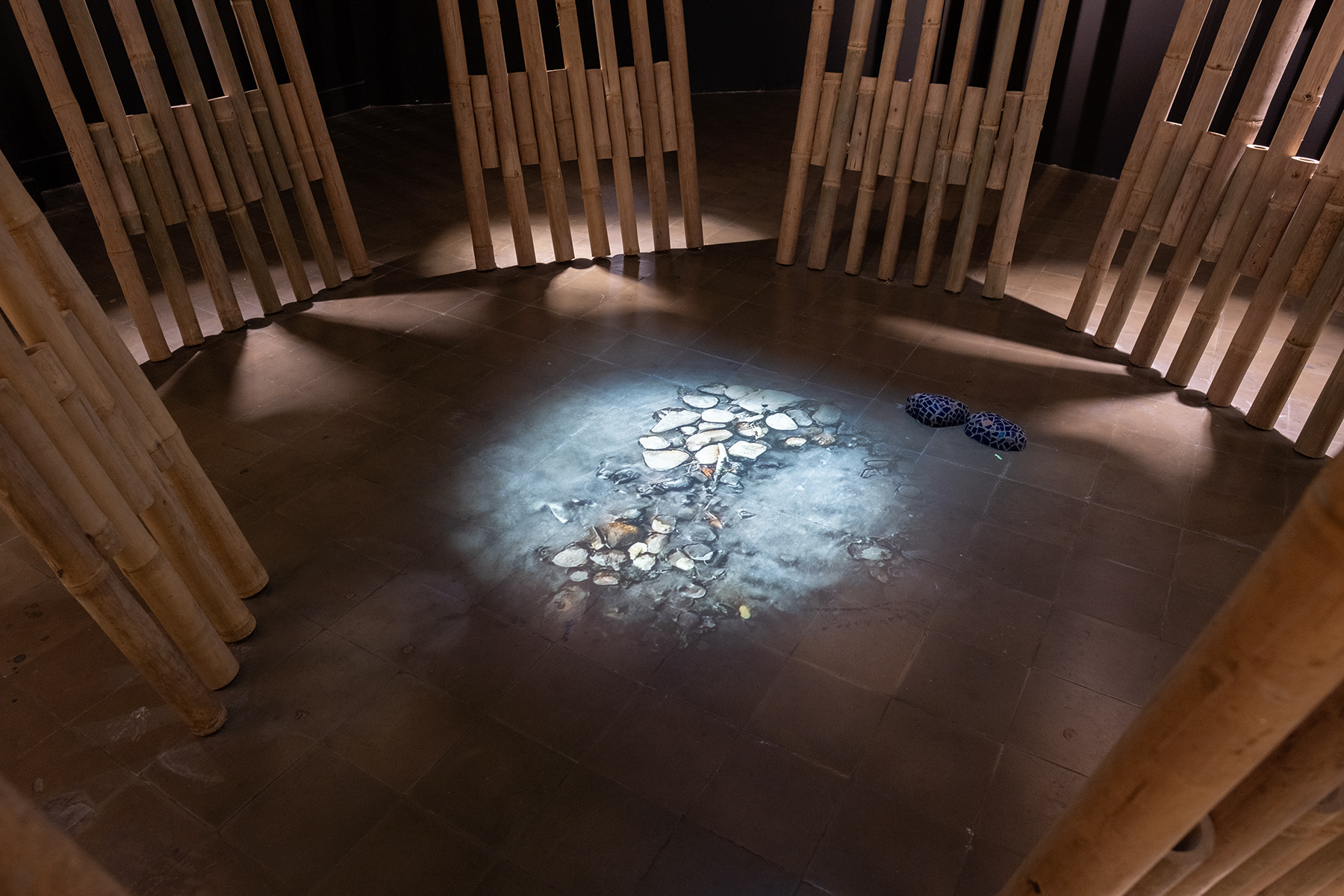
Leng
2008 | bamboo installation and archives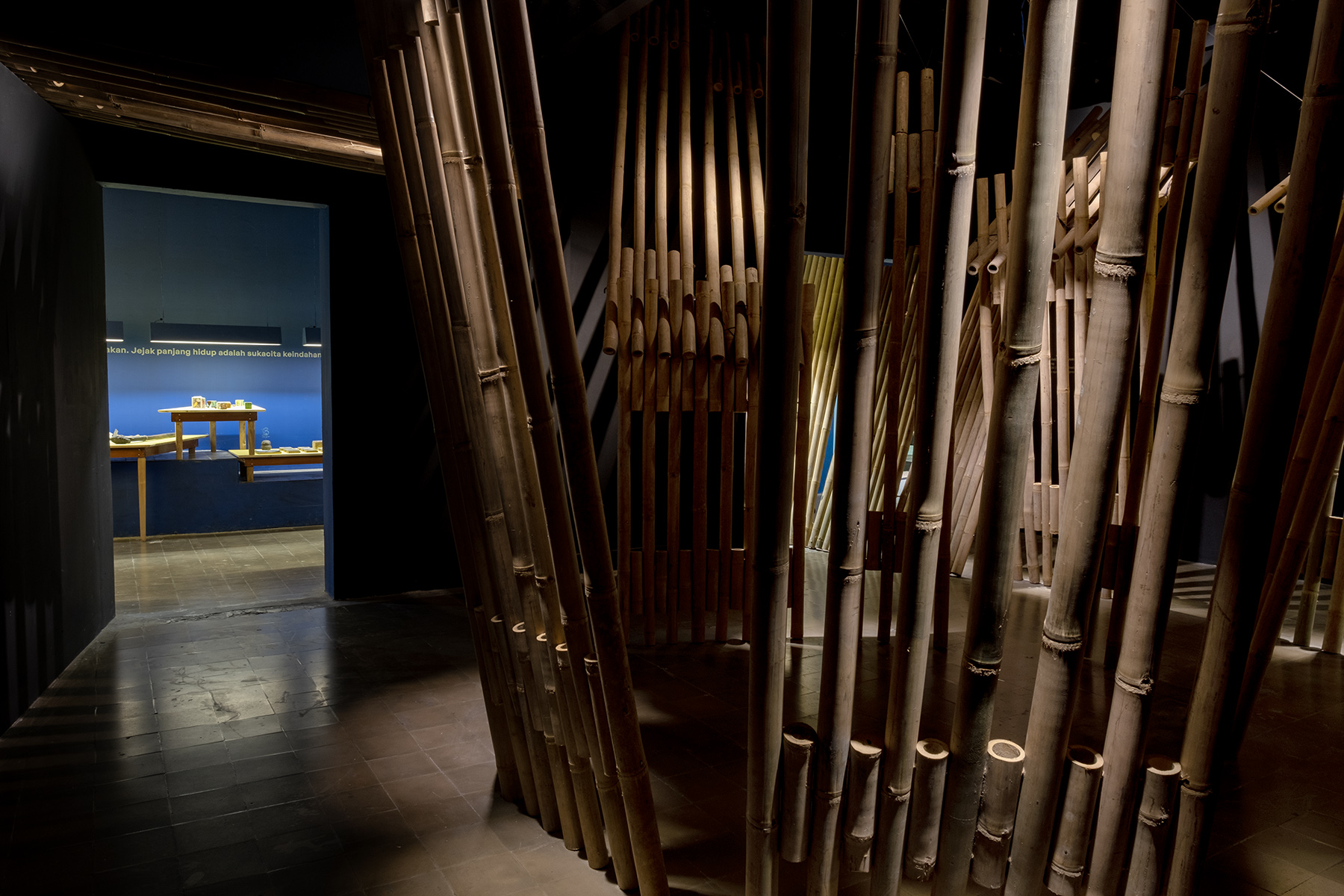
Leng
2008 | bamboo installation and archives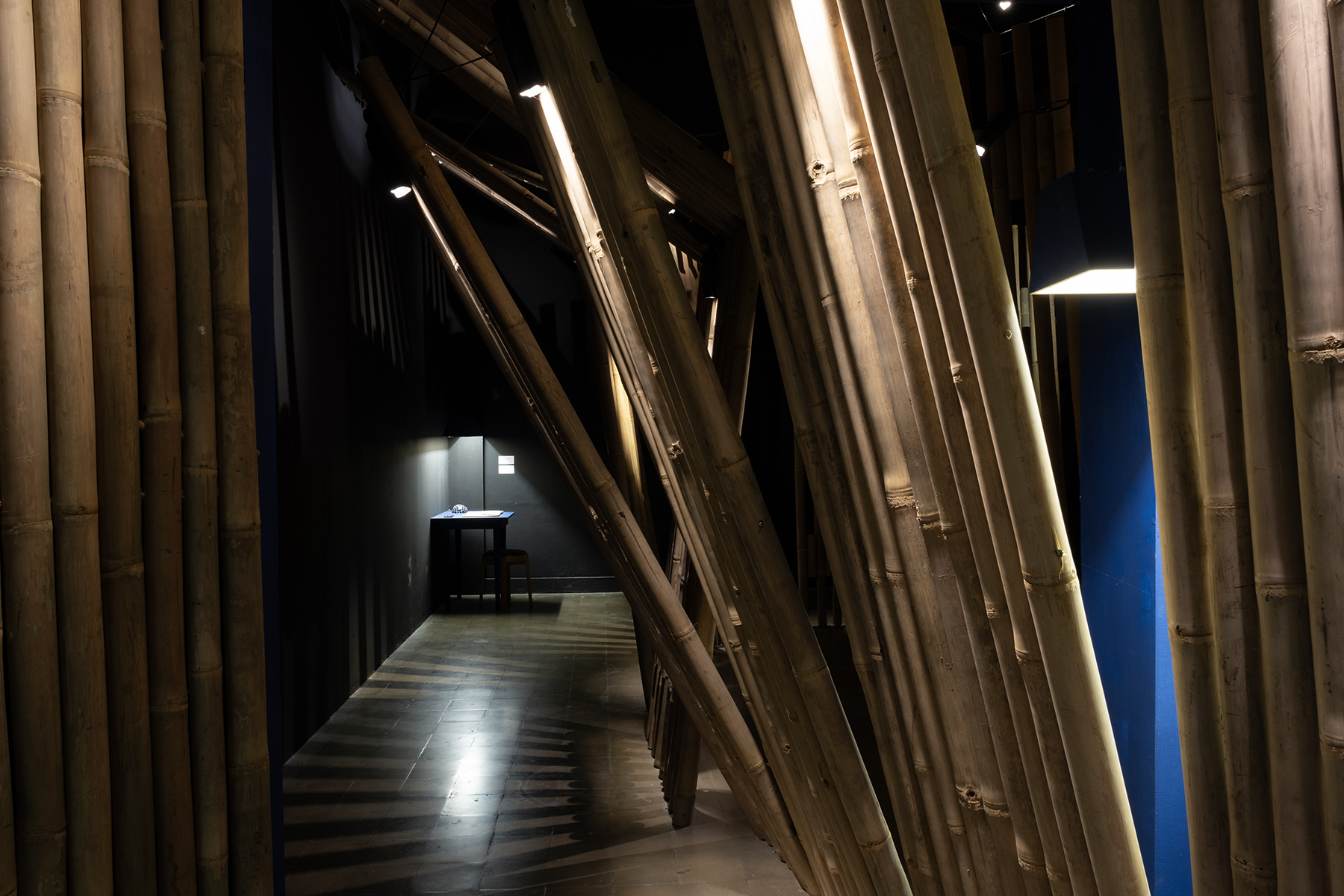
Leng
2008 | bamboo installation and archives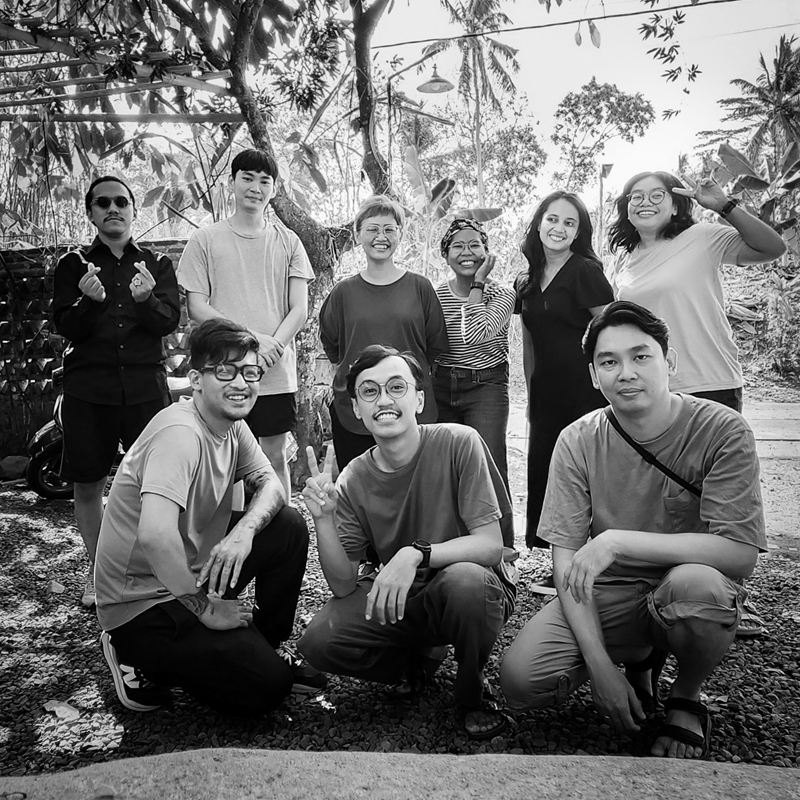
Kolektif Menyusur Eko Prawoto is an open forum to collect, organize and maintain Eko Prawoto's thoughts and life practices in the fields of architecture, art, culture and life at large. This forum is also an effort to connect points of reflection as material for joint study, as well as becoming a stopover point for those seeking a more harmonious future.
This initiative was formed on 19 September 2023 on the seventh day anniversary of the death of Eko Prawoto in Bale Klegung, Kulonprogo. Then it held a silent event together to commemorate the 40th and 100th day of Eko Prawoto's death with his colleagues, students, friends and relatives. Meanwhile, this collective is under the auspices of the Eko Agus Prawoto Foundation together with other activity units, such as Laboratorium Desa and Museum of The Ordinary Things (Mothi), and in synergy with Murakabi Pomah and Bale Klegung.
-
Ir. Eko Agus Prawoto, M.Arch (13 August 1958 - 13 September 2023) was an architect and teacher who highlighted the locality of the archipelago as an effort to support humanity and green housing. He completed his architecture education at Gadjah Mada University in 1982, then became a teacher by starting Architecture Department at Duta Wacana Christian University, Yogyakarta. He completed a master's program at The Berlage Institute Amsterdam in 1993.
Eko Prawoto believed that the world of architecture must be contextual: it must adapt to the local socio-cultural context. Today, many people need jobs. Therefore, in the process of building a house, for example, Eko Prawoto preferred to use natural materials or recycled or used elements, so that the construction budget can be diverted to paying wages. He died due to illness on 13 September 2023
Throughout his career, Eko Prawoto was known as an architect, an architectural teacher and a visual artist. Works of architecture and art can hardly be separated. In both realms, Eko created spaces that were simple, close to nature and challenging as a process. The design seemed "imperfect", less aesthetics, more ethics.
His main inspiration was nature itself. There is a big role for intuition in his works, and in architectural practice there are also seeds of humanity that must be maintained. The role of architecture/art is that of the guardian of life, "a tiny leaf in the thick of a big tree, or the tip of its soft root in the darkness of the ground, a fragile twig on which to perch a bud or flower. However, it is from the willingness to those play small roles life can be maintained."
The Archipelago Architecture Movement was promoted by a number of young architects some time ago. This movement responded to the rise of modern architecture which was not rooted in the rich traditions of building art in the country itself, only giving birth to a hodgepodge of architecture with "anything goes" as its principle. His search for the broadest architectural traditions of the archipelago brought Eko closer to village and kampong life. Traditions are deposits of knowledge, skills that grow in harmony with nature. He called his architecture "arsitektur kampungan (plebeian architecture)".
The magnificence of architectural works has already mainstreamed structures that are autonomous over nature, ignoring their temporary conversational value and simply living on top of the natural landscape that previously existed. The traditional architectural model is the pyramid, the structure of which Eko used to rebuild - with wood left over from the ruins - dozens of houses that were destroyed in Ngibikan Village during the big earthquake in Yogyakarta, 2006. This Ngibikan project was nominated for the Aga Khan Award for Architecture , 2008.
"Indonesia is culturally prosperous. Kampong is architecture itself which is very close to life. Kampong is very inspiring because there is warmth, relationships, honesty and about people who live in it," wrote Eko Prawoto. For him, kampong is the future of Indonesia. Eko Prawoto's works have been exhibited at the Venice Bienniale, Italy (2000), Gwangju Biennale, Korea (2002), Echigo Tsumari Art Triennial, Japan (2003), Singapore Biennale (2013) and Sonsbeeks, Netherlands (2016).
LENG, IMAGES, MAKETS, VIDEOS, CARPENTRY OBJECTS, PHOTOS AND ARCHIVES
Leng, the bamboo installation works presented in this room marks Eko Prawoto's debut in the realm of fine art. This work was displayed at Eko's solo exhibition at Rumah Seni Cemeti, Yogyakarta in 2008. The bamboo arrangement in a row is reminiscent of the simple fence motif that divides the yard from the streets in kampong. Its height acts as the wall, some of it touches the roof. A fence or a wall? A boundary or Partition? Active or passive? That threshold is what is revealed through Leng. The soft separation between bamboo lines that are upright or lying down, supporting each other or intersecting creates a rhythm that encourages active observation and affective sensitivity. Leng is a game of partitions in space, a vehicle or a shadow that wants to guide, not hinders. As Eko called his architectural work "pleasant architecture", this bamboo installation can be called a "pleasant installation".
Eko Prawoto's works of art obtain its aesthetic motifs through processing tectonic aspects in the realm of architecture: utility and image. This aspect combines the techniques/practices of craftsmanship and beauty, bringing together the hardness of materials and poetic expression, creating continuity between closeness and distance.
Eko Prawoto has done sketches, drawings that are not architectural designs, mockups and photographs for a long time. Not only was he attracted to the scale and grand structure of buildings, he also enjoyed the atmosphere of the natural landscape as seen in some of his soft and lyrical pen drawings. In the last few years, since deciding to move and live in the village, Eko Prawoto had been interested in collecting carpentry and agricultural tools, objects that are very useful in the daily lives of village people which he still often found in the market. The vehicles, which look artistic and simple, are now collected in a place he named Museum of the Ordinary Things (2019), not far from his house in Banjararum village, Kulon Progo.